
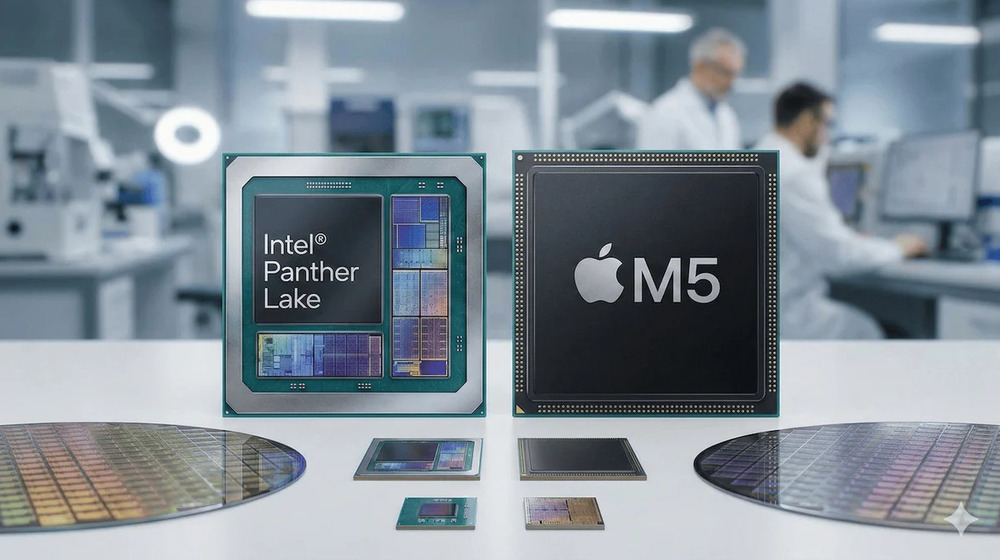
Intel has long dominated the PC processor market, but one area where it lagged behind Apple’s M series chips has been battery efficiency. Apple’s custom silicon — starting with the M1 and evolving through the M3 series — set a new benchmark for balancing performance with low power consumption. Now, Intel’s latest generation of processors is finally closing that gap, delivering significantly improved battery life performance in laptops and mobile devices.
This marks a major moment in CPU competition, as Intel challenges Apple’s longstanding leadership in energy‑efficient computing. Industry testing and performance benchmarks indicate Intel has made meaningful architectural improvements that allow its processors to sustain high performance while consuming far less energy than previous generations.
Why Battery Life Matter
Long battery life has become a key differentiator in modern computing:
- Users want all‑day productivity without charging hassles.
- Creators and professionals increasingly rely on mobile workflows.
- Thin, light laptops demand CPUs that squeeze maximum performance from limited power budgets.
Apple’s M series chips raised expectations by delivering impressive battery longevity even under heavy workloads, often exceeding many rival laptops in endurance tests.
What Intel Changed
Intel’s latest processors incorporate a series of architectural and manufacturing enhancements aimed at efficiency:
1. Hybrid Core Architecture
Intel’s new designs mix high‑performance cores with low‑power cores, allowing the system to intelligently assign tasks based on workload. Simple tasks run on efficient cores, while demanding tasks trigger high‑performance cores only when needed.
2. Enhanced Power Management
Improved dynamic voltage and frequency scaling helps Intel CPUs optimize power use in real time. This means batteries drain more slowly during light usage like web browsing or video playback.
3. Advanced Process Node Advancements
Intel’s movement toward refined process technologies with tighter transistor designs reduces energy leakage and boosts overall efficiency.
These innovations narrow the historical gap between Intel and Apple, particularly in sustained energy‑efficient performance, not just peak benchmarks.
Real‑World Results
Recent laptops powered by Intel’s new chips demonstrate battery life outcomes that were previously rare outside Apple Silicon machines:
- Light productivity workloads now often reach 8–12+ hours on a single charge.
- Video playback tests show Intel systems achieving 10+ hours.
- Mixed usage scenarios — browsing, documents, emails — now frequently exceed 9+ hours.
These figures place many Intel‑based laptops in similar territory to Apple’s M‑series machines, which have long been considered the gold standard for mobile battery life.
Impacts on the Laptop Market
Intel’s efficiency breakthrough carries several key implications:
Stronger Windows Laptop Competition
Windows OEMs can now offer thin and light designs that compete more directly with Apple’s MacBooks on battery endurance, without sacrificing performance.
Broader Consumer Choice
Users won’t have to compromise battery life for compatibility with Windows applications or gaming ecosystems.
Pressure On Rivals
Intel’s gains push competitors such as AMD to continue advancing energy efficiency in their own CPU lines to stay relevant.
Market Diversification
More laptops featuring hybrid architectures and smarter power management broaden the landscape for mobile computing experiences.
Limitations Remain
Despite notable progress, Intel still faces challenges in fully matching Apple’s efficiency leadership:
- Apple tightly controls hardware and software integration, giving it a unique advantage in optimized power use.
- Battery life comparisons vary widely depending on device design, display power draw, and use case.
- Peak performance per watt still often favors Apple Silicon in certain workloads like video processing and machine learning tasks.
However, Intel’s gains represent meaningful convergence between x86 and Apple Silicon energy efficiency across real‑world usage.
What This Means for You
For consumers, Intel’s latest processors offer:
- Longer unplugged productivity on Windows laptops.
- Better mobile performance without constant charging.
- Wider choices across price ranges with improved battery endurance.
Laptop buyers seeking a balance of performance and mobility now have compelling options beyond Apple’s ecosystem. Intel’s advancements help blur the historical efficiency gap and make high‑end Windows notebooks more competitive in everyday battery performance.
If you’d like, I can also compile benchmark comparisons between recent Intel models and Apple’s M‑series chips across battery life tests — just let me know!