Focus stacking revolutionized macro photography by combining multiple images with different focal planes into a single sharp photo. But the technique has well‑known limitations: uneven lighting between frames, motion artifacts from subject or camera movement, alignment errors, and unnatural depth gradients. Even advanced software can only do so much when the source frames aren’t consistent.
A new accessory aims to address these issues with hardware‑assisted precision rather than relying on software correction alone.
What Makes Macro Stacking Hard
Traditional focus stacking challenges include:
- Shallow depth of field: Extreme close‑ups yield very thin focus slices.
- Motion blur: Wind, subject movement, or hand shake ruin frame consistency.
- Lighting variation: Shadows shift between shots taken at different distances.
- Alignment problems: Slight shifts in camera position create ghosting or blur.
These flaws become more pronounced as magnification increases. Even professional photographers sometimes struggle to produce clean stacked results without extensive post‑editing.
The Gadget That Tackles Stacking Flaws
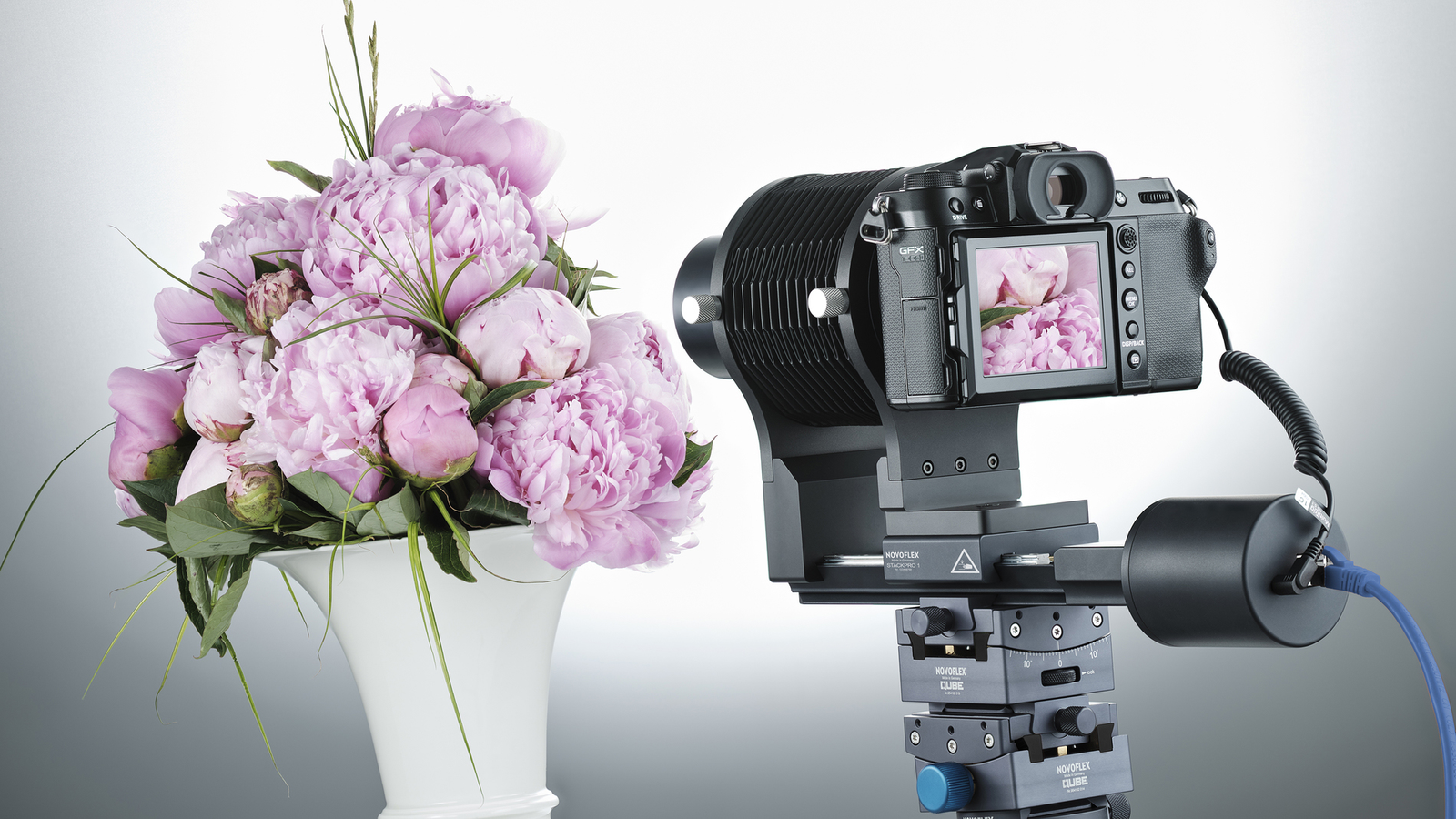
Enter a precision focus rail system designed specifically for macro stacking. Unlike generic slider rails or manual rigs, this device features:
- Micro‑controlled step motion: Moves in tiny, consistent increments between shots.
- Integrated LED lighting: Uniform illumination at each stacking position.
- Stable mounting platform: Minimizes vibration and ensures frame‑to‑frame consistency.
- Smart camera trigger: Communicates with the camera to automate shot sequence.
By unifying motion, lighting, and shot timing, this gadget reduces the inconsistencies that make stacking software struggle. The result is cleaner input frames that produce sharper, more natural stacked results.
How It Improves Focus Stacking
1. Consistent Motion Steps
Software assumes equal focal increments. Manual rails rarely deliver perfectly consistent movement. The precision motorized steps ensure each frame captures exactly the right zone of focus.
2. Even Illumination
Shadows and highlights that shift between shots confuse stacking algorithms. Built‑in lighting that stays uniform at every step prevents lighting variance that would otherwise break the stack.
3. Auto Capture Integration
Camera triggering synchronized with rail movement means you don’t have to manually press the shutter. Automation eliminates timing errors and reduces handling vibration.
4. Repeatable Results
Once set up, the rig can repeat the same motion program for multiple stacks, allowing batch shooting or comparative series with minimal adjustment.
Who Benefits Most
This gadget is especially useful for:
- Macro photographers shooting insects, flowers, or textures
- Product photographers needing extreme detail
- Scientific and microscopy imaging applications
- Photographers who shoot handheld stacking sequences but want better consistency
It’s not just a convenience tool — it enhances the quality of data fed into stacking workflows.
Limitations Still Worth Knowing
While the gadget removes many stacking pitfalls, it doesn’t solve everything:
- Subjects must still remain physically still (e.g., live insects still pose a challenge).
- Depth gradients beyond stacking range still require creative composition.
- Lighting direction and diffusion still matter for aesthetics.
But by eliminating mechanical and illumination inconsistency between frames, the accessory significantly reduces common stacking errors.
Bottom Line
Focus stacking software has become more capable, but it can’t fix poor data at the source. This unusual precision rail gadget tackles macro stacking flaws by controlling motion, light, and timing — giving software the clean, consistent input it needs.
For macro shooters seeking cleaner stacks with fewer artifacts, this hardware approach bridges the gap between technique and final result. If you want, I can recommend specific models or how to integrate this into your existing setup.